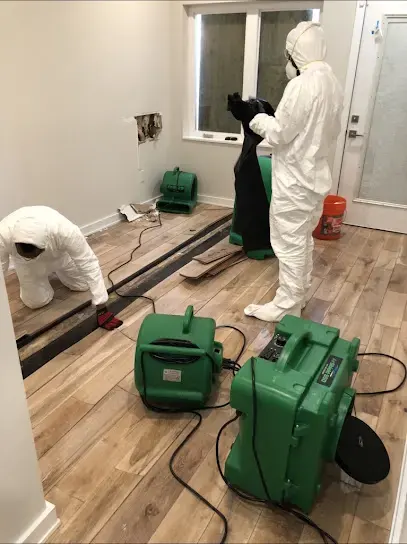
When sewage rises through a floor drain, toilet or tub, the first question is whether the problem is inside the house or in the sewer main. In Kennett Square, county guidance points to the borough as the first call, and safety comes before everything else.
Key takeaways
- Chester County Health Department guidance says a backup on public sewer should be reported to the municipality first, because the problem may be in the sewer main.
- Sewage is Category 3 water, so skin contact, food contact and use of the area should be avoided until cleanup is done.
- Porous materials that soaked sewage are usually removed rather than dried.
- Containment, extraction and antimicrobial treatment come before drying.
- Photographs and a written timeline help with the borough, the insurer and the cleanup.
Why the borough comes first
Chester County Health Department guidance says that for a backup on public sewer, residents should contact their municipality, because the problem may be in the sewer main. In Kennett Square that means the Borough of Kennett Square.
The borough runs its own sewer system and wastewater plant, and its Public Works Department handles borough utility repairs. A call to the borough can confirm whether the main is blocked or whether a problem is limited to one building.
The call also puts the backup on record. If the borough crew finds a blockage in the main and clears it, the cleanup inside the house can begin with a clearer picture of what caused the problem.
No rule about who owns or maintains the private pipe that connects a house to the main is assumed here. That is a question for the borough and the property owner to settle.
- Call the borough when more than one fixture backs up at the same time.
- Ask neighbors whether they see the same problem; that can point to the main.
- Note the time of the call and the name of the person who took it.
- Do not pour chemical drain products into a backed up system.
Is it the house or the main
A few clues help tell the difference. A backup that shows up at the lowest drain in the house, such as a basement floor drain, while toilets upstairs flush normally can point to the main.
A single fixture that will not drain, with others working, is more likely a clog in that branch of the house plumbing. A plumber can scope the pipe and find the cause.
Signs the main may be involved
Water or sewage appears at the lowest drains when upstairs fixtures are used. Gurgling sounds and slow drains appear in several fixtures at once.
Neighbors report similar problems at about the same time.
- Several fixtures back up together.
- The lowest drain is the first to show sewage.
- Neighbors have the same trouble.
Signs the clog is in the house
Only one fixture is affected, and it clears briefly and then returns. The other fixtures in the home work normally.
Either way, if sewage is already on the floor, the cleanup should not wait for the cause to be settled. Contaminated water that sits soaks deeper into materials.
Safety first: sewage is Category 3 water
Sewage carries bacteria, viruses and other contaminants. Category 3 is the highest contamination class, and the response reflects it.
The area should be kept clear of children, pets and anyone with open cuts. Anyone who has to go in needs boots, gloves and a mask, and the household should avoid contact with the water.
Ventilation helps with the smell, but opening windows does not make the water safe. The cleanup is what removes the hazard.
- Keep people and pets out of the affected area.
- Do not use sinks, tubs or toilets that drain to the backed up pipe.
- Do not run fans that have been in the water or step in it barefoot.
- Wash hands thoroughly after any contact, and do not handle food near the area.
- Leave the area if the smell is strong or anyone feels unwell.
How sewage cleanup works
A crew contains the area so contamination does not spread to clean rooms. Standing water is extracted with pumps and vacuums, and the remaining film is removed from hard surfaces.
Porous materials such as carpet, pad, insulation and wet drywall are usually removed, because sewage soaks in and cannot be reliably cleaned. Hard surfaces are cleaned and treated with an antimicrobial product.
Only after that does drying begin. The sewage backup cleanup page explains the full process, and the water extraction page covers how the first stage works.
- Containment and protective gear for the crew.
- Extraction of standing water.
- Removal of porous materials that soaked sewage.
- Antimicrobial cleaning of hard surfaces.
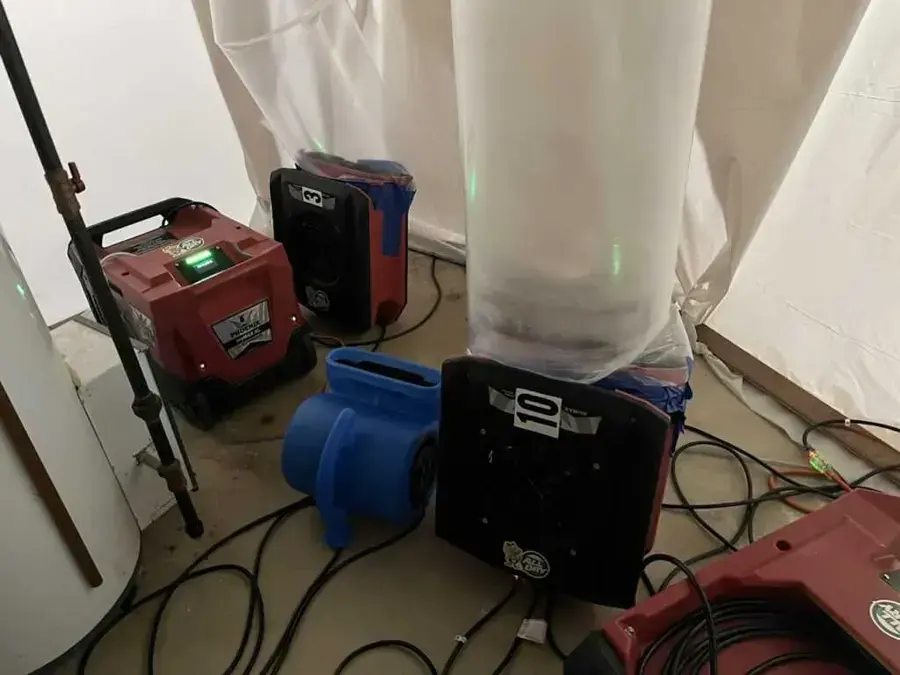
- Drying with dehumidifiers and air movers to a dry reference.
What the borough sewer plant tells a homeowner
The borough owns the Kennett Square wastewater treatment plant, which has a design capacity of 1.1 million gallons per day. Part of Kennett Township's sewage is also treated at the borough plant.
In 2023 the borough and Kennett Township were each updating their Act 537 sewage plans to increase capacity at the plant. In January 2024 the borough was reported to have secured a state grant to replace its aging wastewater treatment plant.
None of this means a specific backup was caused by the plant. It shows that sewer capacity is an active topic in the borough, and it is one more reason to report a backup promptly.
Kennett Square is an older borough with a historic downtown and State Street shops, and older buildings can have older drains. A backup in a downtown building is handled the same way, with the borough called first.
Documenting the loss and preventing a repeat
Photographs of the backup, the affected rooms and the damaged belongings support an insurance claim. A written timeline of when the backup started and who was called helps too.
Coverage for sewer backup varies, and some policies need a separate endorsement. Reading the policy early avoids surprises.
Households with a finished basement can ask whether a backwater valve is a sensible addition, and a plumber can explain what fits the property. No rule about permits is assumed here, so that question goes to the borough.
Prevention is partly habit. Wipes, grease and other items should stay out of drains, and a plumber can check a house pipe for roots or breaks.
The Kennett Square water damage page lists the other services the crew provides.
Questions
Who should be called first for a sewage backup in Kennett Square?
Chester County Health Department guidance says to contact the municipality first for a public sewer backup, because the problem may be in the sewer main. That means the borough.
Is sewage backup water dangerous?
Yes. Sewage is Category 3 water and carries bacteria and viruses, so contact should be avoided and the cleanup is done with protective gear.
Can a carpet that soaked sewage be saved?
Usually not. Porous materials that soaked sewage are typically removed because they cannot be reliably cleaned.
Does homeowner insurance cover a sewer backup?
It depends on the policy. Some need a separate endorsement for backup, so the wording is worth checking early.
How can a homeowner tell if the main is blocked?
Several fixtures backing up together, sewage at the lowest drain and similar trouble at neighbors point to the main. A single fixture usually points to a clog in the house.