Water Extraction and Removal in Kennett Square, PA
In an older borough of plaster walls and brick, water that stays on the floor keeps spreading. The extraction crew pulls it out fast, then hands off to drying.
(888) 442-3602Get the water pulled out now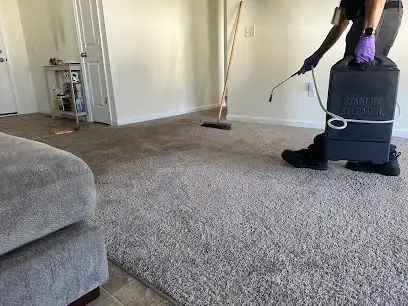
Water Extraction and Removal at a glance
First steps for water extraction and removal in Kennett Square
Stop the source
Close the main or the fixture valve so no new water arrives.
Stay out of live areas
Keep clear of standing water near outlets or appliances.
Lift valuables
Move rugs, books and electronics onto dry furniture or upstairs.
Photograph the loss
Capture wide and close shots of every wet room before cleanup starts.
Extraction is the first real job in any water loss. Every gallon taken off the floor is a gallon the dehumidifiers never have to handle, which shortens the whole dry-out.
Why speed matters in an older borough
Much of downtown Kennett Square is a National Register of Historic Places district, with about 507 protected buildings from 1875 to 1924. Plaster, old floorboards and brick soak up standing water and give it back slowly, so the sooner it is lifted, the less the structure absorbs. Water left overnight in a plaster-walled room often means longer drying and more tear-out.
What does water extraction and removal cost in Kennett Square, DE?
Pulling water out on its own in Kennett Square, PA usually costs $500 to $3,500. A small clean job sits low; a full floor or a Category 3 loss sits high.
Single room
$500 to $1,200- Wet vacuum pass
- Carpet pressed
- Readings taken
Cellar or lower level
$1,200 to $2,800- Pump-down
- Stairs cleared
- Walls checked
Full floor or sewage
$2,000 to $3,500- Sealed work zone
- Porous items out
- Surfaces sanitized
Ranges are typical, not a quote: category of water, square footage, material class and how fast drying started move the number most. Run the water damage cost calculator for a closer range.
The water extraction and removal process in Kennett Square, step by step
- 1
Assess the water
The technician notes the source, the category and how far the water has traveled.
- 2
Pump the bulk
Submersible pumps lower the water level first, then vacuums take over.
- 3
Extract the surfaces
Weighted tools and wet vacuums draw water out of carpet, pad and hard floors.
- 4
Hand off to drying
Meters confirm what is still wet, and drying equipment is set where it is needed.
How the crew removes the water
A technician reads the rooms first, then picks the right tool for each surface.
- Submersible pumps clear deep water from a cellar or a flooded ground floor
- Weighted extraction tools press water out of carpet and pad
- Wet vacuums reach corners, stair treads and hard floors
- Wall bottoms are checked with meters for water that moved sideways
Reading hidden water
Water rarely stays where it lands. It runs under baseboards, along floor joists and down into the room below, so the technician checks beyond the visible wet area with meters and a thermal camera before declaring the job done.
What to expect on the first visit
The crew arrives with pumps, vacuums and protective gear, walks every wet room and explains the plan. Extraction usually takes the first part of the visit, and drying equipment is set up before the crew leaves.
What happens after the water is out
Extraction alone leaves moisture in the materials. Air movers and dehumidifiers finish the job, as covered under structural drying. If the water came up from a cellar, see basement flooding cleanup.
Water extraction and removal across Kennett Square and nearby towns
ZIP 19348 is covered in full, from the historic district and State Street to West State Street, Union Street, Pennsylvania Route 82 and the homes around Anson B. Nixon Park.
The same service nearby: water extraction and removal in New Castle, Elsmere, Newark.
Water damage restoration in Kennett Square · every town covered
Related water damage services in Kennett Square
Water Extraction and Removal questions in Kennett Square, DE
Still dealing with water extraction and removal?
Water left on a Kennett Square floor works into plaster and wood. The extraction crew starts pulling it out day or night.
How soon should water be extracted?
As early as possible. Standing water keeps moving into plaster, wood and subfloor, and every extra day makes the dry-out longer and costlier.
Can I use a household wet vacuum myself?
For a small clean spill, yes. For deep water, carpet over pad or any sewage, professional pumps and extraction tools remove far more and keep the crew in protective gear.
Is extracted water ever safe to reuse or pour out?
No. Water from a loss can carry contaminants, so it is pumped to a proper drain rather than poured on the property.
Does extraction dry the building?
It removes the bulk of the water, but materials stay wet. Dehumidifiers and air movers finish the work, usually for several days.
Will insurance cover extraction?
A sudden pipe break or tank failure is often covered. Creek flooding and sewer backup follow other rules, so check your policy with your insurer.
Do historic buildings need a gentler approach?
Often, yes. Old plaster and floorboards are extracted by hand tools first, with removal kept to what the readings require.
Standing water in Kennett Square? Do not wait.
The crew pumps and vacuums the water out, maps what is still wet and sets drying gear.
New Castle Water Damage Restoration · New Castle, DE