Water Extraction and Removal in Newark, DE
Creek rises and cloudbursts can put water into a Newark building quickly. The extraction crew finds the source, pulls the water out and starts drying before it soaks in.
(888) 442-3602Get Newark water pulled out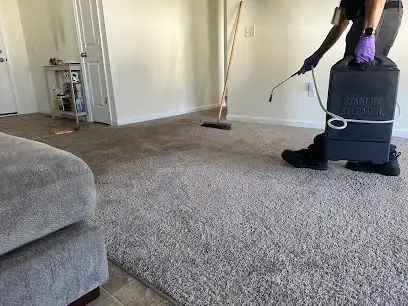
Water Extraction and Removal at a glance
First steps for water extraction and removal in Newark
Stop the water source
Close the main or the fixture valve. If water is coming from outside, keep doors shut and move to higher ground.
Skip the household vacuum
A standard vacuum on a wet floor is a shock hazard and can spread contamination.
Raise valuables
Lift papers, electronics and rugs onto furniture or upstairs.
Photograph the water
Capture the depth and every wet room before pumping begins.
Newark has two waterways to watch and a storm sewer system that can fill faster than it drains. When water reaches a floor, extraction is the first job, because the longer it sits, the deeper it travels into drywall, subfloor and framing.
When heavy rain reaches a Newark building
On June 5, 2016, fast thunderstorms overwhelmed the storm sewers and flooded Main Street and nearby roads. Storms on July 21, 2026 downed trees and power lines, and fire departments across north-central New Castle County took many water rescue calls. The city keeps a list of flood-prone streets, including the Casho Mill Road underpass, and buildings near them are the usual candidates for a pump-out.
What does water extraction and removal cost in Newark, DE?
Newark, DE water extraction alone usually costs $500 to $3,500, and with drying folded in, most jobs total $1,500 to $8,000, depending on depth and category.
One room, clean water
$500 to $1,200- Wet vacuum extraction
- Pad lifted
- Readings afterward
Basement or cellar
$1,200 to $2,800- Submersible pump work
- Slab cleared of water
- Walls checked
Whole floor or Category 3
$2,000 to $3,500- Several rooms extracted
- Category 3 handled
- Porous materials flagged
Ranges are typical, not a quote: category of water, square footage, material class and how fast drying started move the number most. Run the water damage cost calculator for a closer range.
The water extraction and removal process in Newark, step by step
- 1
Stop and confirm the source
The crew checks that the leak or inflow has ended before pumping, so the water does not return.
- 2
Pump the deep water
Submersible pumps and hoses clear standing water from basements and low floors.
- 3
Extract the rest
Weighted tools and wet vacuums lift water from carpet, pad and hard floors.
- 4
Hand off to drying
Meters map what remains, and drying equipment is set where the readings call for it.
How the water comes out
The crew stops or confirms the source first, then clears the building in order, deepest water first.
- Submersible pumps empty deep water from basements and cellars
- Weighted extraction tools lift water from carpet and pad
- Wet vacuums reach stair treads, corners and thresholds
- Meters check what surface water left behind
Why drying has to follow
Pulling water off the floor is half the work. Moisture left in framing and slab keeps evaporating into the room, so extraction hands off to structural drying. Water that came from a sewer or a flooding creek is treated as Category 3, and a flooded lower level has its own page on basement flooding cleanup.
In an apartment building, water from one unit often reaches the next, so extraction can span several units and the notes help owners and tenants sort out the claim.
Water extraction and removal across Newark and nearby towns
The Newark restoration crew covers ZIP 19711, 19713 and 19702, from the University of Delaware area and Main Street to Arbour Park, Westfield and Paper Mill Farms.
The same service nearby: water extraction and removal in New Castle, Elkton, Elsmere.
Related water damage services in Newark
Water Extraction and Removal questions in Newark, DE
Still dealing with water extraction and removal?
Standing water in a Newark building keeps soaking in while it waits. The extraction crew works at any hour.
How fast should standing water come out?
The sooner the better. Water left on a floor soaks into drywall, subfloor and framing, so extraction is the first job once the source is stopped.
Can a household wet vacuum handle it?
Only for a small spill. Deeper water needs submersible pumps, and a vacuum on a wet floor near outlets is a shock risk.
Is flood water from White Clay Creek safe?
No. Creek and river water is Category 3 and carries contamination, so porous materials it touched are usually removed.
Does extraction include drying?
Extraction removes the bulk water. Drying equipment follows, since moisture left in walls and slab keeps spreading, and the 24 to 48 hour window for mold is real.
What should I photograph before pumping?
Capture the water depth, each wet room and any damaged belongings. The insurer will want the record, and the crew adds time-stamped photos.
Does the city handle water inside my building?
The city's water and wastewater department serves the public system, but cleanup of water inside a building falls to the owner and the restoration crew.
Water on a Newark floor? Call before it reaches the framing.
The crew stops the source, pumps the deep water, extracts the rest and sets drying equipment by the readings.
New Castle Water Damage Restoration · New Castle, DE