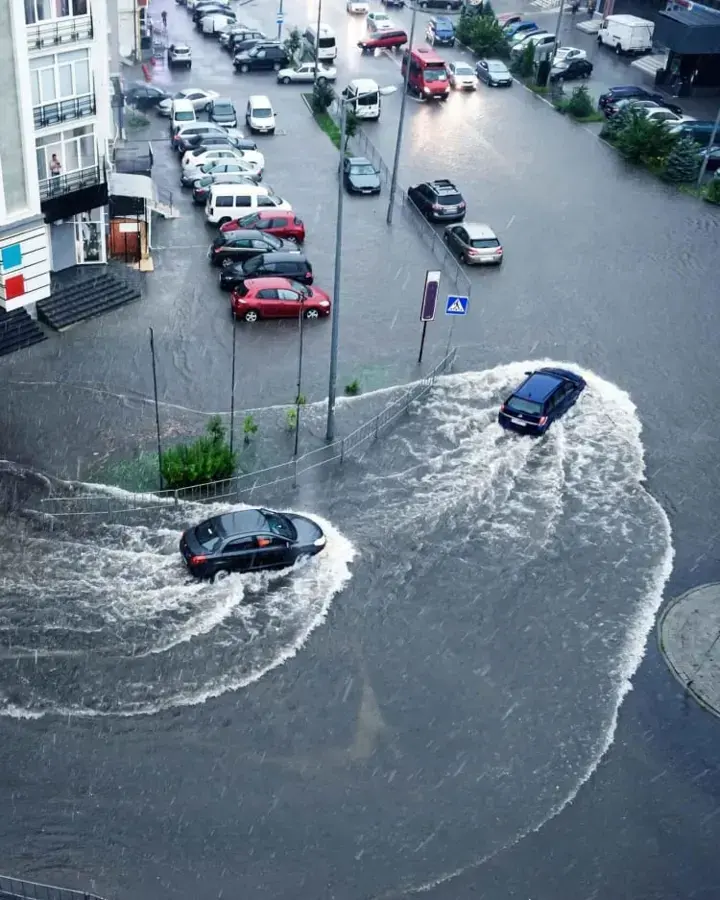
When the Brandywine Creek left its banks after the remnants of Hurricane Ida, water entered homes in Northeast Wilmington and the 11th Street Bridge neighborhood. The first day after that kind of flood is about safety, contamination and getting the water out before it settles into the structure.
Key takeaways
- Brandywine floodwater is treated as Category 3, which means it carries contamination and the cleanup plan reflects that.
- Utilities come first: power, gas and any damaged water heater or electrical panel need professional attention before the house is reentered.
- Porous materials soaked by floodwater, such as carpet, pad and wet drywall, are usually removed rather than dried.
- Photographs and a written inventory support insurance and any aid program; flood insurance and homeowner policies work differently.
- Extraction comes first, then structural drying to a measured reading.
What the 2021 flooding showed Northeast Wilmington
The remnants of Hurricane Ida on September 1 and 2, 2021 dropped nearly 5 inches of rain in 24 hours in parts of New Castle County. The Brandywine crested at a record 23.1 feet on September 2, 2021, according to the National Weather Service.
Ida's peak flow of 33,700 cfs was the highest on record on Brandywine Creek at Wilmington, dating to 1946 and passing Hurricane Agnes in June 1972. More than 200 people were rescued or evacuated in Wilmington.
The city said as many as 275 residential and commercial property owners were affected. The 11th Street Bridge neighborhood was among the hardest hit, and some displaced residents were still without housing in January 2022.
- Neighborhoods with ground below about 10 feet above sea level flooded when the Brandywine overtopped.
- The lower Brandywine is tidal and meets the Christina River in the northeast of the city.
- Normal high tide on the Christina River at Wilmington runs 3 to 4 feet above mean sea level, which leaves little margin when the creek rises.
- The city held a December 12, 2024 open house on three flood protection designs for Northeast Wilmington.
Why creek and river floodwater is Category 3
Water categories describe how contaminated water is. Floodwater from a creek or river is Category 3 because it carries soil, sewage from overflowing systems, chemicals and debris picked up along the way.
That classification changes what a household should do. Skin contact, contact with food and use of the affected rooms all call for caution, and some materials cannot be cleaned and have to be discarded.
Row houses add another wrinkle. Neighbors share walls, so one flooded home can affect the next, and cleanup plans work better when owners talk early.
What stays out of the water
Children, pets and anyone with open cuts should stay away from the affected area. Boots, gloves and a mask protect anyone who has to enter.
Do not run household appliances or fans that have been in the water.
- Avoid wading in the water without protective gear.
- Do not use affected rooms for sleeping or eating until cleanup is complete.
- Do not turn on a furnace or water heater that was submerged.
Why the water is not just wet
Floodwater leaves silt and film on every surface it reaches. That residue cannot simply be dried, so surfaces are cleaned and treated with antimicrobial products after the water is gone.
Day one: utilities, safety and documentation
Before the cleanup starts, the building has to be safe to enter. Flooded electrical panels, water heaters and gas appliances are hazards that should not be touched by the household.
After Ida the city offered funding through 311 for plumbing and gas restoration, electrical inspections, HVAC, water heaters and electrical panels. That shows how many systems floodwater can damage in one event.
Delmarva Power provides electricity and natural gas in Wilmington, so a flooded panel or meter is a call for the utility and a qualified electrician or technician, not for the household.
- Do not enter a flooded home if the power is on and water is touching outlets.
- Photograph the high water mark on the walls and every damaged item before it is moved.
- Write a list of lost and damaged belongings with approximate values.
- Keep receipts for emergency costs, since insurers and aid programs ask for them.
Water extraction and what gets removed
Once the building is safe, the water has to be pumped out. Pumps and extraction units remove the standing water, and the water extraction crew works from the lowest point outward so water does not return to cleared areas.
The next step is removing what cannot be saved. Floodwater soaks into carpet, pad, insulation, drywall and particle board, and those materials are usually discarded because they cannot be reliably cleaned.
Hard surfaces such as concrete, tile and solid wood can often be cleaned and dried. Furniture and belongings are sorted into what can be saved and what cannot.
- Standing water is pumped out and the floor is extracted.
- Carpet, pad and wet insulation are removed.
- Drywall is cut above the high water mark when readings show wicking.
- Hard surfaces are washed and treated with antimicrobial before drying.
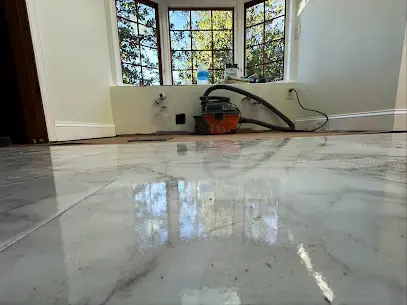
Drying a Wilmington home after floodwater
Row houses and older detached homes in Wilmington have shared walls and many layers. Dehumidifiers and air movers are placed so air reaches wall bays, subfloors and framing, not just the visible rooms.
Moisture readings are logged at the start and at each visit, and the work follows the IICRC S500 standard. Equipment stays until the readings match a dry reference.
Wet materials left in place can start to grow mold in a 24 to 48 hour window, so speed matters. Closets, built in cabinets and stair spaces are opened where readings call for it.
The tidal and river flood cleanup page walks through the full process for this kind of loss.
Insurance, aid and planning ahead
Flood damage is not always covered by a standard homeowner policy. Flood insurance, often through the National Flood Insurance Program, is a separate product, and a claim starts with the photographs and inventory made on day one.
The city's post Ida funding shows that aid can exist alongside insurance, so records matter. Keeping every receipt and photograph in one folder makes both paths easier.
A household can also write down the date and time the water arrived, how high it rose and when it receded. Those notes are small, and they answer questions an adjuster is likely to ask.
The 2024 open house on flood wall and berm designs shows that flood protection for Northeast Wilmington is still being studied. In the meantime, households can keep key documents upstairs and know where the main shutoffs are.
The Wilmington water damage page lists the other services available in the city.
Questions
Is Brandywine floodwater safe to touch?
No. Floodwater from a creek or river is Category 3, which means it carries contamination. Gloves, boots and a mask are needed for anyone entering, and open cuts should stay away from it.
Can wet carpet and drywall be saved after a flood?
Usually not. Porous materials that soaked floodwater are typically removed because they cannot be reliably cleaned.
Who should handle a flooded electrical panel or water heater?
A qualified electrician and the utility. The household should not touch them, and the power should be shut off only from a dry spot.
Does homeowner insurance cover creek flooding?
Often it does not. Flood insurance is usually a separate policy, so it is worth reading the policy language early and keeping photographs and receipts.
How long does floodwater cleanup take?
Extraction and removal happen first, and drying follows readings instead of a set calendar. Larger losses with more wet materials take longer.