Water Extraction and Removal in Wilmington, DE
Water on the floor of a Wilmington row house or a low riverside block spreads into plaster and subfloor quickly. The extraction crew removes it first, then hands the building to the drying team.
(888) 442-3602Get Wilmington water pulled out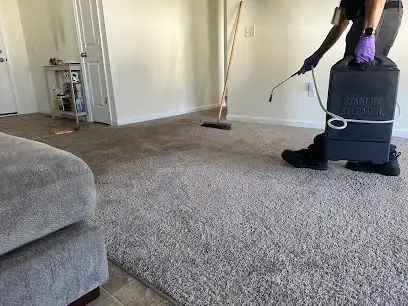
Water Extraction and Removal at a glance
First steps for water extraction and removal in Wilmington
Stop the source
Close the main or the fixture valve so no more water reaches the floor.
Switch off power
Use the breaker only from dry ground, and stay out of rooms with water near outlets.
Lift small items
Move rugs, papers and electronics onto dry surfaces above the water.
Photograph first
Take wide and close photos before anything is moved or scooped.
A flooded floor in Wilmington is a race. Water that sits on a row house floor moves into baseboards, plaster and the subfloor, and each hour it stays makes the dry-out longer and the bill larger.
Where Wilmington extraction calls come from
Low ground sits on both sides of the city's two rivers. East of Market Street the Coastal Plain is flat and in places marshy, so standing water lingers there. When the Brandywine overtopped in 2021, Northeast Wilmington blocks below about 10 feet above sea level took the water, and the Christina rises 3 to 4 feet above mean sea level at a normal high tide.
What does water extraction and removal cost in Wilmington, DE?
In Wilmington, DE, water extraction typically runs $500 to $3,500. One wet room of clean water sits at the low end; a whole floor or a Category 3 loss sits at the top.
One room, clean water
$500 to $1,200- Wet vacuum extraction
- Pad lifted
- Fans and one dehumidifier
Basement or cellar
$1,200 to $2,800- Submersible pumping
- Floor drains cleared
- Slab dried
Whole floor or Category 3
$2,000 to $3,500- Truck-mounted units
- Porous material removed
- Antimicrobial applied
Ranges are typical, not a quote: category of water, square footage, material class and how fast drying started move the number most. Run the water damage cost calculator for a closer range.
The water extraction and removal process in Wilmington, step by step
- 1
Walk and meter
The crew reads each room with a meter to learn where the water went.
- 2
Pump the depth
Submersible pumps clear standing water so extraction tools reach the floor.
- 3
Extract the rest
Weighted tools lift water from carpet, pad and hard surfaces.
- 4
Hand off to drying
Dehumidifiers and air movers take over once the bulk is out.
How the extraction crew removes the water
Truck-mounted units handle large volumes, and portable pumps reach basements and rooms a hose cannot. The crew clears hard floors first, then works carpet and pad with weighted tools so most of the water leaves the building before a single fan runs. In row houses that share walls, the crew also checks the next room and the floor below, because water follows gaps.
- Clean water from a supply leak is extracted and dried in place when caught early
- Gray water from an appliance or a sump pit gets cleaning and an antimicrobial pass
- Sewage or river water is Category 3, with porous material removed
- Each wet room gets a meter reading before and after extraction
What comes after the water is gone
Extraction removes most of the water, but plaster, masonry and framing still hold moisture. Dehumidifiers and air movers follow, with readings logged daily. See structural drying for that process, or basement flooding cleanup when the water sits below grade.
Water extraction and removal across Wilmington and nearby towns
The Wilmington extraction crew covers ZIP 19801, 19802, 19805 and 19806, from Trinity Vicinity and Happy Valley to the Riverfront, the 11th Street Bridge area and the hills west of Market Street.
The same service nearby: water extraction and removal in New Castle, Elsmere, Kennett Square.
Related water damage services in Wilmington
Water Extraction and Removal questions in Wilmington, DE
Still dealing with water extraction and removal?
Water left on a Wilmington floor keeps working into plaster and subfloor. The extraction crew starts pulling it out at any hour.
How fast should water come off a Wilmington floor?
As soon as possible. Water left on a row house floor soaks into plaster, trim and subfloor, and each extra hour adds to the drying that follows.
Is a wet vacuum enough?
For a small spill, often yes. Larger losses need pumps or truck-mounted units, which pull far more water than household equipment.
Does extraction include drying?
Extraction removes the bulk of the water. Drying of the structure follows, using dehumidifiers and air movers until readings reach a dry reference.
What water category is it?
The crew sets the category on the first visit. A supply leak is clean, an overflowing sump pit is gray, and sewage or river water is Category 3.
Can carpet be saved?
Carpet from a clean leak caught early can often be extracted and dried. Pad is usually replaced, and anything touched by sewage or river water is removed.
Will insurance cover extraction?
A sudden pipe break is often covered, while river flooding and sewer backup follow other rules. Only your policy decides, so ask your insurer.
Standing water in Wilmington? Call now.
The crew pumps, extracts and sets drying gear for every wet room.
New Castle Water Damage Restoration · New Castle, DE